
I have been accused of a secret plot to subversively introduce Catholic theology and doctrine into the heart of my Baptist church twice. The first time was by someone with significant psychotic mental health conditions who was perpetually heavily medicated. The second time was by a degree-educated teacher. Unlike the first accuser, he wasn’t under the influence of any narcotics and was of a sane mind.
The moment came unexpectedly at the end of an otherwise mundane elders meeting in the week following Easter. We got to the ‘Any other business’ line item and the chair of the elders straightened in his seat, his face like flint. “Yes”, he said, “I’d like to ask Chris (not his real name) to bring a matter of concern.”
Chris’s concern was more than a concern, it was a serious accusation. According to Chris, I was guilty of a secret campaign to introduce Catholic theology into the church. The accusations centred around an Easter Sunday evening service I had planned that involved liturgy and the full range of senses: sight, sound, touch and contemplation.
I spent hours preparing the liturgical sheets, decorated with artwork from the ancient Celts of Northumbria where I first studied at theological college. Those who came appreciated the service and the effort. It was a lot more involved than the standard Hillsong & sermon sandwich that is de rigueur in Baptist churches up and down the country.
I happened to have a pile of leftover service sheets at hand so handed them out and challenged my solemn accuser to point out any aspects of Catholic theology. I had borrowed heavily from an Evangelical Lutheran template so the theology was Reformation right.
Chris began to back peddle explaining that he had attended a Catholic seminary for a short while to study to be a priest but had cold feet quickly, and subsequently the service had ‘sounded Catholic’ to him. ‘Sounded’ was a firm enough basis for him to proceed with an accusation.
So what went wrong? An elder with hardly any theological training had arrived at a wildly wrong conclusion which would be hilarious if were not so defamatory. Secondly, the Chair of the elders had arranged a classic ambush – peak governance failure. However in this case it wasn’t through any lack of knowledge of governance, it was sheer malevolence. But that’s another story.
Honey We Shrunk The Church – a case study.
To illustrate further how an untrained eldership can find themselves in trouble here’s a real life case study from somewhere in Australia, names changed and location hidden .
Smithsville Baptist Church has about 350 members and is about to lose a well loved pastor. The church is full, the kids ministry is exploding, youth and young adults is massive, and the church has a full range of the typical age profiles that make churches work successfully. Critically, it has plenty of late twenties, mid thirties young professionals with a range of skills and a high engagement in church life and ministry.
Search Teams Looking In The Wrong Place
A ‘pastoral search committee’ is formed, and the search begins for the next senior pastor. Normal channels of advertising leads to some very poor approaches by complete fantasists so the team relies on a personal recommendation. That person is followed up and indicates an interest.
The first mistake is that the church looking for a new pastor is very firmly evangelical, with a smattering of charismatic types. There is no mandate from the congregation to transition into an entirely different church in terms of theology or practise, or to move away from the Baptist denomination. The candidate is a pastoral staff member of a church very firmly on the charismatic scale, at the Kansas City Prophets end of the scale, kinda like North & South Pole apart on the theological spectrum – “worship starts at 9am, bring own pogo sticks” kinda place.
With nobody on the search team having any theological training or human resource management experience in hiring this important fact is lost. A significant mismatch is looming that will hurt the church. In the evangelical world everyone is nice, until the aren’t.
Bull In The Church China Collection
The candidate eventually arrives and is installed at the new senior pastor. In his very first sermon he tells the wonderful story of God’s work in his life over the last 20 years and how this will be the blueprint of what he teaches the church. He also points to a new move of God where the church will do things they’ve never done before, including raising the dead!
Mistake number two: no red flags go up. In an ideal world, he would be carpeted by the eldership and told that the Bible is the blueprint for what the congregation will be taught, and relevant illustrations from his own life will be welcome. Also, the bit about raising the dead, don’t mention that again, please.
By now significant changes to the life of the church have already been announced by Pastor Newbie that have not had any consultation and a mini-revolt by the congregation rudely interrupts the honeymoon period. The changes are quickly reversed but the eldership immediately go into protection mode. This reflexive stance will see them join in a pact that ensures unflinching, ringing endorsement of whatever Pastor Newbie wants to do and becomes a death spiral that will eventually kill the church.
The God Man
Three weeks in the pastor announces to the congregation that he has given “over 10000 confirmed words of knowledge” during his ministry. Mistake number three: this should have resulted in a detailed show cause. Apart from questions surrounding how on earth and why you document and verify 10000 words of knowledge, the key question is why you would say that, other than pure spiritual abuse. Pastor Newbie was assiduously positioning himself as a shaman like character, someone co-located with God. However there were no red flags, just seriously impressed people.
A few weeks later in a sermon Pastor Newbie alarmingly says that if you are in a church service and the Holy Spirit is ‘doing things’ and you step back to think about what is going on, God can no longer speak to you because you are using your mind. The rational given was that God is Spirit and therefore he communicates with us through our spirit, and if we try to process or analyse it with our minds, God can longer speak to us. Waaaah! Run for the hills people!
What he is really doing is shaping the congregation, “brace yourselves for some really freaky deaky stuff peeps, but just don’t think about it too much, otherwise God can’t speak to you.”
Next up is mistake number four with major changes to the Constitution proposed that changed the nature of congregational governance and locates power in the pastor and eldership. That is followed by a range of other controversial developments that leads to an exodus that gathers pace, especially amongst the key demographic of young families. The church bleeds talent and numbers.
By now it’s clear that Pastor Newbie, supported by the eldership, is transitioning the church away from its legacy as an evangelical church and into a full on charismatic church. There has been no mandate for this from the congregation and many within begin pushing back. The Constitutional watchguards go to war, and the ever dwindling congregation becomes deeply divided.
Sermons are littered with esoteric terms and members of the congregation are selectively invited to ‘encounter’ weekends where they are exposed to intense high pressure charismatic experiences that some find deeply coercive. Mistake number five, a group of devotees who have followed Pastor Newbie from his previous church are installed in key positions.
With each new controversy the eldership doubles down and runs protection on the pastor in a pact of mutually assured destruction. The church empties further, other pastoral staff leave and head for the hills, and the youth and young adults groups collapse and are closed down.
The End Is Nigh
Suddenly Pastor Newbie announces his resignation, as he has been offered another gig. Overnight he leaves with his devotees in tow, with already depleted ministry teams left like headless chooks to wander around the detritus of what was.
The church hires another pastor on the rebound and he takes a ‘hold my beer’ approach on the issue of destroying the joint, which leads to a major split of the remaining rump, and the church eventually recedes to around 25 people.
Rewinding The Clock
If you could rewind the clock and change anything what would you change?
In the first instance it’s hard to blame any eldership that loses the plot, because they have never been trained to do the job they have been asked to. When they first join it seems like a pure delight and a privilege and honour to be considered. When the problems arise the experience changes.
Sometimes elderships unfortunately find themselves dealing with problems created by rogue pastors. It’s hard for elders who have a reflexively supportive attitude to a pastor to accept that he or she is problematic. It seems almost blasphemous, especially if that pastor has assiduously created the narrative of them being co-located with God. ‘Don’t touch the anointed’ is the maxim.
An eldership with access to training and equipping could have made different decisions in the case study which could have led to better outcomes:
- Having people with enough theological nous on the search team would have determined a range of red flags and lines of inquiry before proceeding with the candidacy.
- An eldership with a secure grasp on the theological and ecclesiastical identity of their own church would have been able to keep the pastor accountable to that vision, rather than capturing the church for his own ends.
- The cult leader like positioning of himself as an oracle of God should have sparked the eldership into action early on, but there wasn’t enough theological understanding to know just how dangerous it was. It’s hard to keep pastors accountable for their teaching if nobody in the eldership has any theological training. Those elderships that do are blessed to have a retired missionary or pastor or someone who just happened to study at Bible college. It won’t be a result of any attempt by the denomination to give access to elders to theological training.
- Having a sufficient grasp of congregational governance management would have led to better management of any proposed changes to the governance model. Any changes would need to be promoted first and argued for and then verified via the mandate of the congregation rather than a rule by announcement approach.
- Better conflict-resolution skills may have been used to bring the congregation together to find ways of moving forward with greater success – but I doubt that would have helped with this particular kamikaze-like pastor. In most church conflicts, better conflict resolution always has a chance of making things better and avoiding the worst consequences.
- Watching droves of talented families walking out the door and your youth and young adult ministries collapsing as a result of the exodus is a significant series of threshold events that the eldership missed, or didn’t take seriously. It takes at least a decade for your average church to start filling in the missing generations that leaves when a pastor or church (or both) become toxic.
Creating Your Own Lay Leaders Academy
It’s axiomatic that providing training and equipping to lay leaders in a range of key learning areas would make a significant difference to the health and functioning of your church. The list below isn’t exhaustive but I would have found working with an eldership trained in these areas (or in ongoing training) to have been an entirely different experience. Here are some lay leadership issues you can seek to address through accessing your own resources and linking to available training that isn’t necessarily created for lay leaders but is helpful:
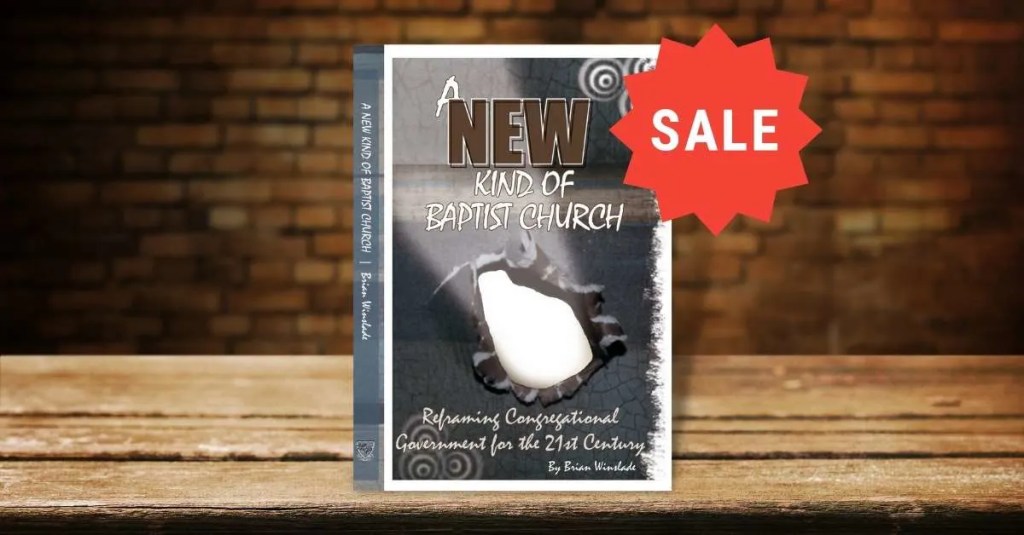
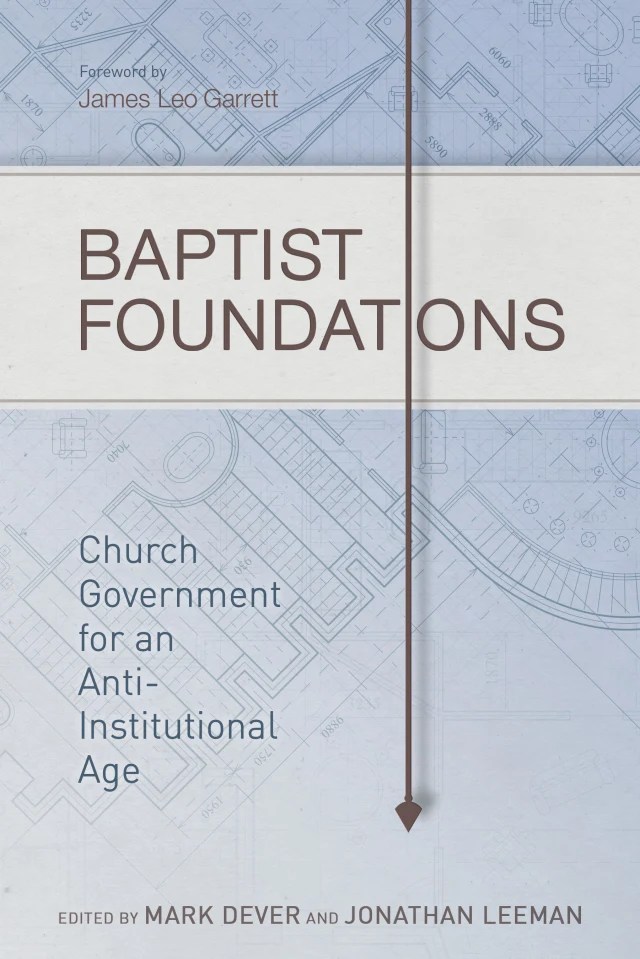
- Understanding Baptist history and principles is important for leaders, particularly with regards to the operation of congregational governance. This can be gained through an Elders Library. Make sure you have a range of books that newly minted and existing elders can read to get a better understanding of the context they are serving in.
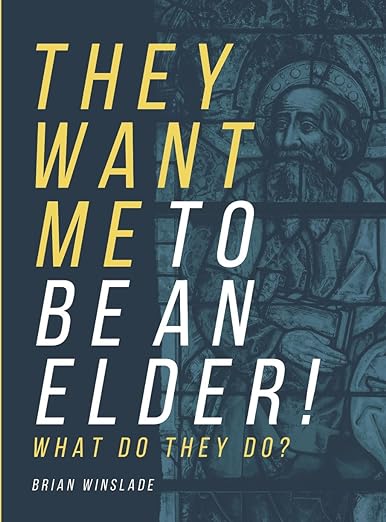
- Basic expectations and responsibilities of elders (deacons, Board members). There are a range of books available to purchase, see below.
- Theological training to understand entry-level doctrine and hermeneutics. This can be done at VET level through Baptist theological colleges or degree level through auditing. Malyon College in Brisbane has a Certificate IV in Christian Ministry and Theology which would provide a great theological grounding. Churches can look at subsidising the cost for elders who can’t afford the fees. This can be done online.
- How to work effectively with pastoral staff. Church consultants or trained intentional interim pastors can help your leadership explore how to maximise the working relationship between pastors and lay leaders.
- How to find, hire, maintain and fire pastoral staff. Arrange for a consultant to provide some training for your leadership to sharpen their knowledge and improve processes used in the human resource management of staff. If you ever find yourself in the unfortunate situation where you have to part company with a pastor, without good advice and processes this can be destructive to your church and set you back years.
- Change management strategy for church settings including managing Constitutional change. This is another topic that consultants can conduct training and help you develop successful blueprints for taking the congregation into your confidence and managing change well.
- The effective preparation and conduct of healthy church meetings. All too often things go south in church meetings. We all bear scars from the dreaded church meeting. Having a fail-safe blueprint for the preparation and conduct of church meetings will help prevent trauma and transform meetings away from dread and into positive, constructive events that advance the vision of the church.
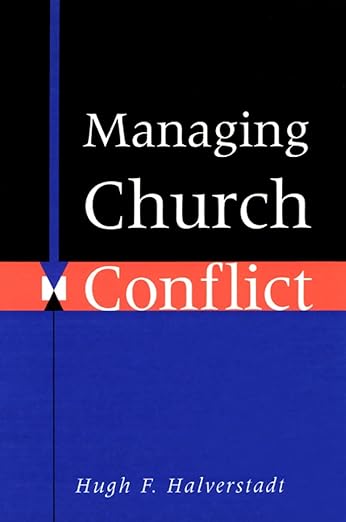
- Conflict resolution strategies and skills. Another important area where consultant scan help or a collection of good books that can go into your eldership library.
- Mental Health First Aid training and advice on being trauma aware and having trauma-informed care practises. Invite a qualified trainer to train your leaders and ministry leaders in mental health first aid so that your church can be more informed about mental health and recognise signs and symptoms of people in need.
G.K. Chesterton said, “There are an infinity of angles at which one falls, only one at which one stands.” We need to find that angle for our leadership community so that the Gospel isn’t hindered by our own dysfunction.
Click on the images below for links to the books displayed.

 Neobaptist
Leave a comment